Showing posts with label English Monarchs. Show all posts

Wednesday, 2 May 2012

House of Wessex (restored, second time)

House of Mercia : House of Wessex : House of Denmark : House of Wessex (restored) : House of Denmark (restored)


England, having seen the raids, battles, and invasion from the Vikings for several centuries, now was briefly back in the hands of a saxon restoration, with Edward having been invited back to the throne. But a decisive point in English history was fast approaching as we approach closer to the battle that is perhaps the most famous in England, the Battle of Hastings, and as a result, this post is longer, for which I apologise.


Edwards's Attributed Arms
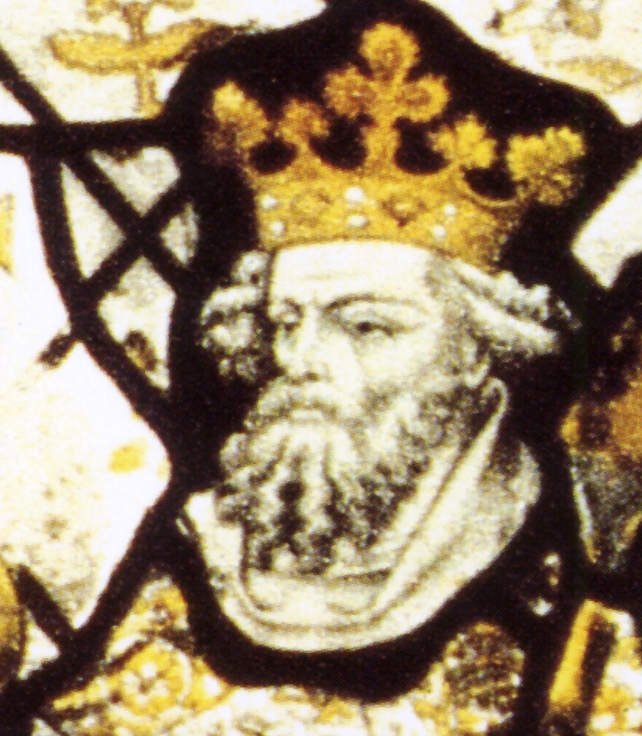
Edward the Confessor 1042 - 1066: Was the seventh son of Æthelred the Unready and the first of Emma of Normandy, and is usually known to be the last King of the House of Wessex.  His time as King is seen as when the royal power began to ebb away whilst the House of Godwin attempted to increase their powerbase.

Edward's position as King, was weak and to rule effectively he needed to appease the three leading earls at that time (Leofric of Mercia, Godwin and Siward of Northumbria), but loyalty to the ancient house of Wessex was no more as this had been eroded by the period of Danish rule, and only Leofric was descended from a family which had served Æthelred. Siward was probably Danish, and although Godwin was English, he was one of Cnut's new men, married to Cnut's former sister-in-law.

Edward
1043 saw the beginning of Godwin's attempt to increase his powerbase as his eldest son Sweyn was appointed to an earldom in the south-west midlands, and in 1045 Edward married Godwin's daughter Edith. Soon afterwards, another of Godwin's sons, Harold and his Danish cousin Beorn Estrithson, were also given earldoms in southern England and effectively allowed Godwin, via his family, control of southern England, albeit in the King's name.

Edward, despite having the greatest of wealth, landwise, over the other Earls, showed no interest in solidifying his powerbase, as they were situated in the Earldoms in southern England.

Meanwhile, King Magnus of Norway aspired to the English throne, and in 1045 and 1046, fearing an invasion, Edward took command of the fleet at Sandwich. Beorn's elder brother, Sweyn of Denmark had become as a son to Edward, hoping for his help in his battle with Magnus for control of Denmark, however Edward rejected Godwin's demand in 1047, that he send aid to Sweyn, and it was only upon Magnus's death in October that saved England from attack and allowed Sweyn to take the Danish throne.

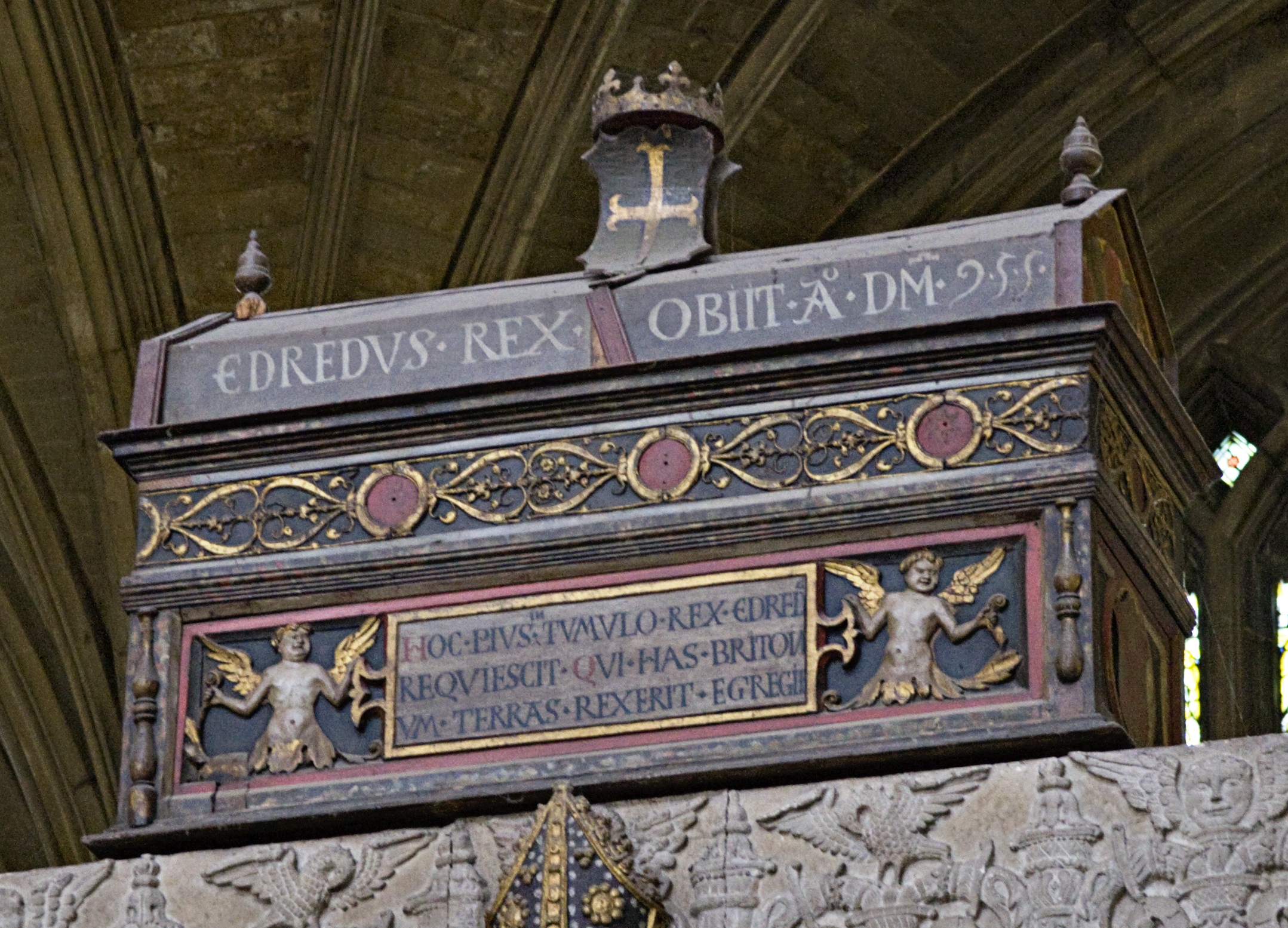
Edward was canonized in 1161 by Pope Alexander III, and is commemorated on 13 October by the Catholic Church of England and Wales and the Church of England. He was regarded as one of the national saints of England until King Edward III adopted Saint George as patron saint in about 1350.
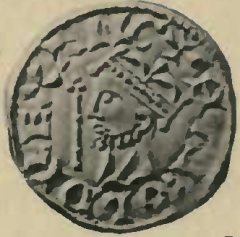


Penny depicting Harold
Harold Godwinson 1066: Harold’s reign was a short one and was to become only the first of three English Kings to have been killed in warfare.

When Harold’s father, Godwin, died in 1053, he became Earl of Wessex, and as the province covered the southernmost third of England, was the most powerful figure in England after the King.  He also became Earl of Hereford in 1058, and continued his father’s stance in opposing the increasing Norman influence in England during Edward the Confessor’s reign.

Having been shipwrecked in Ponthieu in 1064, Harold was captured and held hostage by Count Guy I of Ponthieu at his castle at Beaurain.  Duke William arrived soon after and order Harold be turned over to him.  Harold then accompanied William to battle against William’s enemy, the Duke of Brittany and won. Harold was awarded with weapons and arms and knighted him.  The famous Bayeux Tapastry shows Harold swearing an oath, on sacred relics, to support William’s claim to the crown of England.

Harold
Harold’s brother, Tostig doubled the taxation in 1065 which threatened to plunge England into civil war and Harold sided with the Northumbrian rebels against his brother and replaced him with Morcar which strengthened his ‘acceptability’ as Edward’s successor but fatally divided his family driving Tostig into an alliance with King Harald Hardrada of Norway.

In 1065, King Edward fell into a coma without signifying an heir, and whilst he breifly regained consciousness, he ambiguously commended his widow and the kingdom to Harold’s protection, and died on 5 January 1066.  The Witenagemot however, met the following day and selected Harold to succeed and was crowned the same day.

Harold, upon hearing that Duke William of Normandy was amassing an invasion force, assembled his troops on the Isle of Wright, but disbanded them after eight months of waiting with provisions running out, and returned to London on 8 September 1066. 

On that very same day, Tostig was joined by Harald Hardrada and invaded landing his fleet at the mouth of the River Tyne.  They defeated Edwin of Mercia, and Morcar of Northumbria at the Battle of Fulford, near York on 20 September, but were taken by surprise five days later at the Battle of Stamford Bridge where Harold had force marched his men for four days from London.
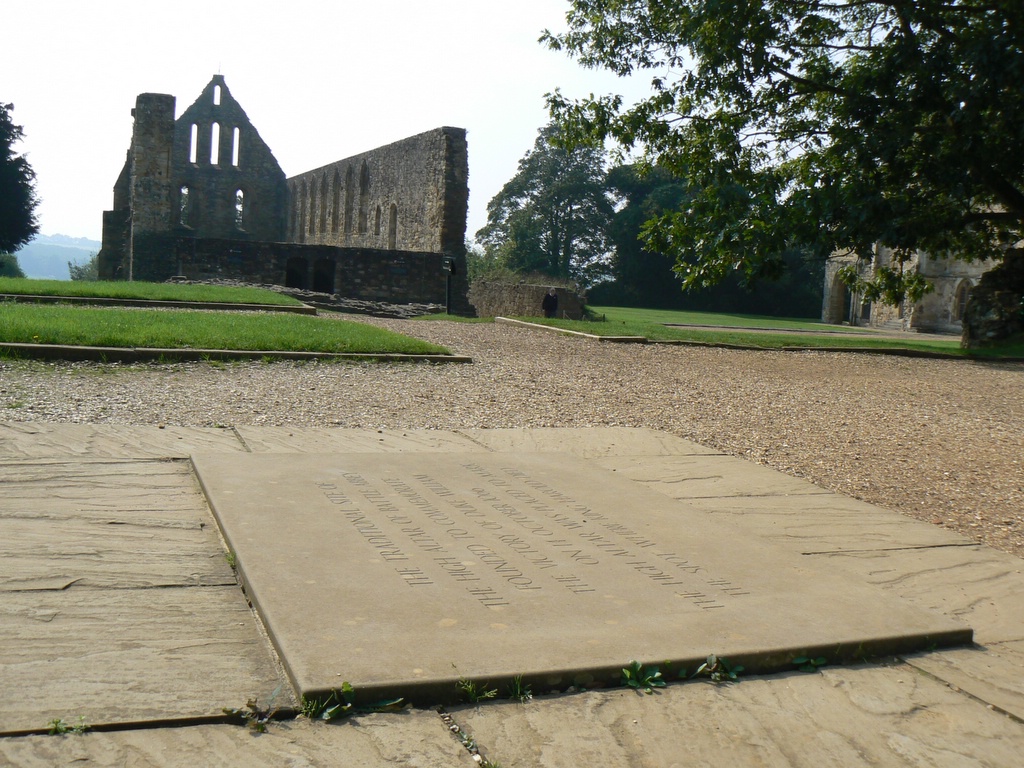
Spot where Harold Died
Harold, then needed to march his troops back 241 miles towards the Sussex coast as news that William had landed.  The two armies met at Senlac Hill, near Hastings (near the present town of Battle), where after nine hours of fighting, and most likely 30 minutes away from victory, Harold was killed and his forced routed. 

The spot where Harold died is now the site of Battle Abbey.


Edgar the Ætheling 1066: Edgar was born in Hungary and was the only son of Edward the Exile (King Edmund II Ironside) and Agatha.

Edgar
King Edward (the Confessor) summoned Edward the Exile back to England on hearing that he was still alive, but died two days after arriving, having been most likely murdered. Edgar, 6 at the time, was the only last surviving male member of the royal dynasty apart from the King.

Upon King Edwards death, Edgar (in his teens) was considered to be too young to be an effective military leader, and due to the King’s failure to announce an heir, war was inevitable, and so Harold was appointed by the Witenagemot as best placed to become King and defend the country.

However, following Harold death at Hastings, the Witenagemot convened in London and elected Edgar King. The regime which was established was dominated by the most powerful surviving members of the English ruling class, however their commitment  to the cause was doubtful at best, as most were overlooked to be King, and William’s victory over Harold challenged their resolve to continue the struggle.

As the Normans closed in on London, the remaining Witenagemot members met in December and resolved to take the uncrowned King to meet William and to submit him at Berkamstead.

The crowning of King William I (the Conqueror), on 25 December 1066, ushers in the Normandy era.

And it is from the reign of William, that he and his descendants took regnal numbers to distinguish monarchs as opposed to nicknames, although this custom did not die out totally.


Monday, 30 April 2012

House of Denmark

Sweyn Forkbeard
With Æthelred now in exile, the House of Wessex was no longer the dominant force in England, and up popped the Danish King, Sweyn Forkbeard to bring about a new era in English Kings.....or would he???
 
Sweyn Forkbeard was to become the first of the Danish Kings to have ruled England.

He had become King of Denmark after his father, Harald Bluetooth (yep, they had Bluetooth in them ther days) died in either 986 or 987, and had effectively become King of Norway in 1000 when he forged an alliance with the Trondejarl, Erik of Lade.


According to the chronicles of John of Wallingford, Sweyn has made a number of raids during the periods 1002–1005, 1006–1007, and 1009–1012 to avenge the massacre on St Brice's Day where his sister was one of the fatalities.

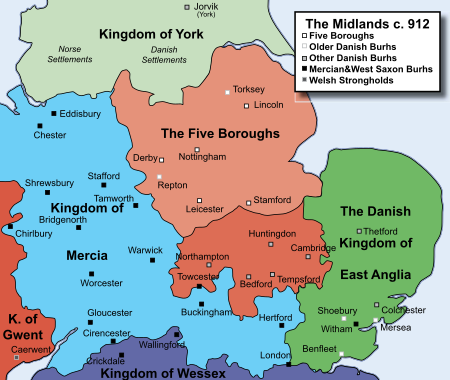
The Five Boroughs
Sweyn first went to Sandwich, and then mopped up East Anglia and upwards along the Trent as far as Gainsborough. He soon added Northumbria as well as the people of Lindsey and then the people of the Five Boroughs. After he realised that the people had submitted to him, he got provisions and horses and moved southwards, with the main part of the invasion force with the rest commanded by his son, Cnut Canute).

After Watling Street fell, he moved on to Oxford where the people bowed to him and gave his hostages.  From there he moved on to Winchester (who did the same), and then eastwards to London.

However, London put up more resistance as Æthelred and Thorkell the Tall (a viking leader who had defected) held their ground against him. Sweyn then moved to Bath where the western Thanes submitted to him and gave hostages, and fearing any revenge that Sweyn might undertake, the Londoners followed suit leaving Æthelred and his sons, Edward and Alfred, little choice but to exile themselves to Normandy.

Sweyn was then declared King of England on Christmas Day 1013.

Sweyn now began to organise his new Kingdom however, having only been King for five weeks, he died on 3 February 1014.

Although Canute was named King by the Danish Fleet, councellors had arranged for Æthelred to return as King, and when he did, managed to drive Canute out of England. 

This, however, was not the last time that Canute would be heard of by the English, and the newly returned King would face the ongoing Viking challenge to wrest the crown away from him.

Thursday, 26 April 2012

English Monarchs - House of Wessex

This House effectively ruled the Kingdom for two centurys from 802 through to 1013.

The Kings were:

802 - 839Egbert
839 - 858Æthelwulf
858 - 860Æthelbald
860 - 865Æthelberht
865 - 871Æthelred
871 - 899Alfred the Great
899 - 924Edward the Elder  
924 - 924Ælfweard
924 - 939Æthelstan
939 - 946Edmund the Magnificent
946 - 955Eadred
955 - 959Eadwig
959 - 975Edgar the Peaceful
975 - 978Edward the Martyr
978 - 1013Æthelred the Unready

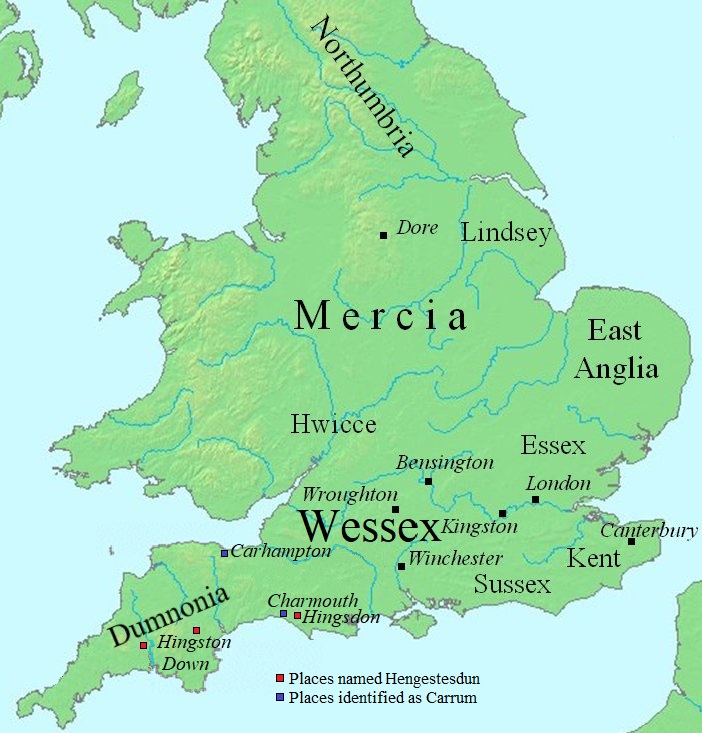
England, during Egbert's reign
Egbert: was the first King to have overlordship over much of England after defeating the Mercians in 825 and became Bretwalda * in 829 having defeated Wiglaf of Mercia and received later that same year, the submission of the Northumbrian King at Dore.  Although having lost the dominant position the following year when Wiglaf reclaimed the throne of Mercia, he retained control of Kent, Sussex and Surrey which were given to Egbert's son Æthelwulf to rule as a subking.

Æthelwulf's Tombstone


Æthelwulf: Upon becoming King, he split the kingdom up into two, giving the eastern half (Kent, Essex, Surrey and Sussex) to his son Æthelstan and kept the western half (Hampshire, Wiltshire, Dorset and Devon) for himself.


Æthelbald
Æthelbald: Second of the five sons of Æthelwulf and was Regent of Wessex whilst his father was away visiting Rome.  He was probably involved in a plot preventing his father from returning, having heard about his father's marriage to  the Carolingian King Charles the Bald's thirteen-year-old daughter Judith.  To prevent a civil war, his father allowed Æthelbald to continue ruling Wessex and continued doing so after his father's death with Æthelberht becoming King of Kent.

Æthelberht:  Third son of Æthelwulf and became King of Kent and other eastern parts of the kingdom when his father died.  When his brother Æthelbald died childless in 860, the Kingdom of the West Saxons passed over to him. Whilst King, the south eastern conquests became a new kingdom, as opposed to appointing a family member as under-king. A charter issued in his first year of rule reflected a new kind of assembly by a West Saxon King in that a full complement of West Saxon and Kentish witnesses were included.

 Æthelred: His first year as King saw a great Viking army arrive which in five years had destroyed two of the principal English Kingdoms (Northumbria and East Anglia). HIs brother in law (Burgred, King of Mercia) first suffered at the hands of the Vikings before seeking help from Æthelred, and his brother, the future King, Alfred the Great.  It was during the period of intense battles which followed that Æthelred was killed, in the Battle of Merton in 871. 

Alfred - 13th century
Alfred the Great: was the only English monarch to be given the byname of Great, hence Alfred the Great.  Even though Æthelred had two under-age sons, Alfred succeeded him as King due to an agreement that whoever of the two brothers outlived the other, would inherit the property etc of King Æthelwulf.

During his reign, Alfred was successful in defending the kingdom from the Viking attempt of conquest, and also encouraged education whilst improving the country's legal system and military structure.

He was the first to be called King of the Anglo-Saxons.


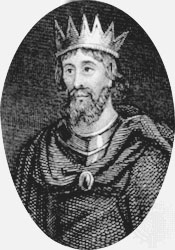
Edward
Edward the Elder: Having dealt with the challenge from his cousin, Æthelwold, for the throne, Edward began to take back land at Mercia, East Anglia and Essex which the Danes had previously occupied during the reign of his father, Alfred, and went on to annex the cities of London and Oxford, with the surrounding areas of Oxfordshire and MIddlesex.

Relations with the Danes at Northumbria were unsettled and the two armies eventually fought the Battle of Tettenhall where Edward destroyed the opposition and from then on, the Northumbrians never raided south of the River Humber largely due to the fortresses that Edward had built afterwards to keep them at bay.

Ælfweard: The Anglo-Saxon Chronicle states that Ælfweard died 16 days after his father and that they were buried together at Winchester Cathedral but mentions no reign.

However, there is a list of Anglo-Saxon Kings in the 12th Century Textus Roffensis + which mentions him as his father's successor with a reign of four weeks.

Æthelstan's Tomb - Malmesbury Abbey
Æthelstan: Managed to succeed in obtaining the submission of Constantine II, King of Scots at the treaty of Eamont Bridge in 927 and afterwards forced the welsh princes to accept his authority and therefore claimed to be 'King of the English', and perhaps a more wistful claim, to be 'King of Britain'.

His Crowned Bust coinage of 933-938 was the first Anglo-Saxon coinage to show the king crowned together with the title Rex totius Britanniae, King of the Whole of Britain.


Edmunds Murder - drawn by R Smirke
Edmund the Magnificent: Faced the threat, after being pronounced King, from King Olaf III Guthfrithson who conquered Northumbria and invaded the Midlands, and it was only when Olaf died in 942, did Edmund regain the Midland and two years later, Northumbria.

One of Edmund's last known political movements was his role is restoring Louis IV of France to the throne.

Edmund was murdered by Leofa (an exiled thief) while celebrating St Augustine's Mass Day on 26th May 946.


Mortuary chest purporting to contain Eadred's bones
Eadred: Managed to control Northumbria in 946 and obtained oaths that the Scots would do all that he wanted but faced challenges from two scandinavian princes who had designs on Northumbria up until 952, where Eadred promised the northumbrian supporters of the foreign prince great havoc if they did not desert him.  A threat they took seriously as desert him they did.


Eadwig: Chosen by the nobility to succeed his uncle but his short reign was marked by conflicts with his family, members of the aristocracy and the church.

His marriage to Ælfgifu was annulled and unusual in that it was against both their wills and politically motivated by supporters of the church.

The Kingdom was split along the lines of the Thames to prevent a civil war, with Eadwig keeping Wessex and Kent in the south, and his brother, Edgar, controlling the kingdoms to the north.

Edgar
Edgar the Peaceful: Crowned at Bath and annointed with his wife Ælfthryth, thus setting a precedent for a coronation of a Queen in England.

The service, performed by Dunstan (recalled from exile) and celebrated with a poem in the Anglo-Saxon Chronicle, forms the basis of the present day British coronation ceremony.

It was during his reign that the Benedictine Rule peaked in England's undisciplined monastic communities.


Corfe Castle
Edward the Martyr: Although the eldest son of Edgar, he was not considered to be his father's acknowledged heir (that being his younger half-brother Æthelred) but as he was a legitimate son of Edgar, was crowned by his clerical supporters, Dunstan and Oswald of Worcester.

During his short reign, the two great nobles of the time, ealdormen Ælfhere and Æthelwine quarelled and civil war was narrowly averted, although the nobles took advantage of Edward's weak rule to dispossess the Benedictine reformed monastries of land and other properties which Edgar had pledged to them as support.

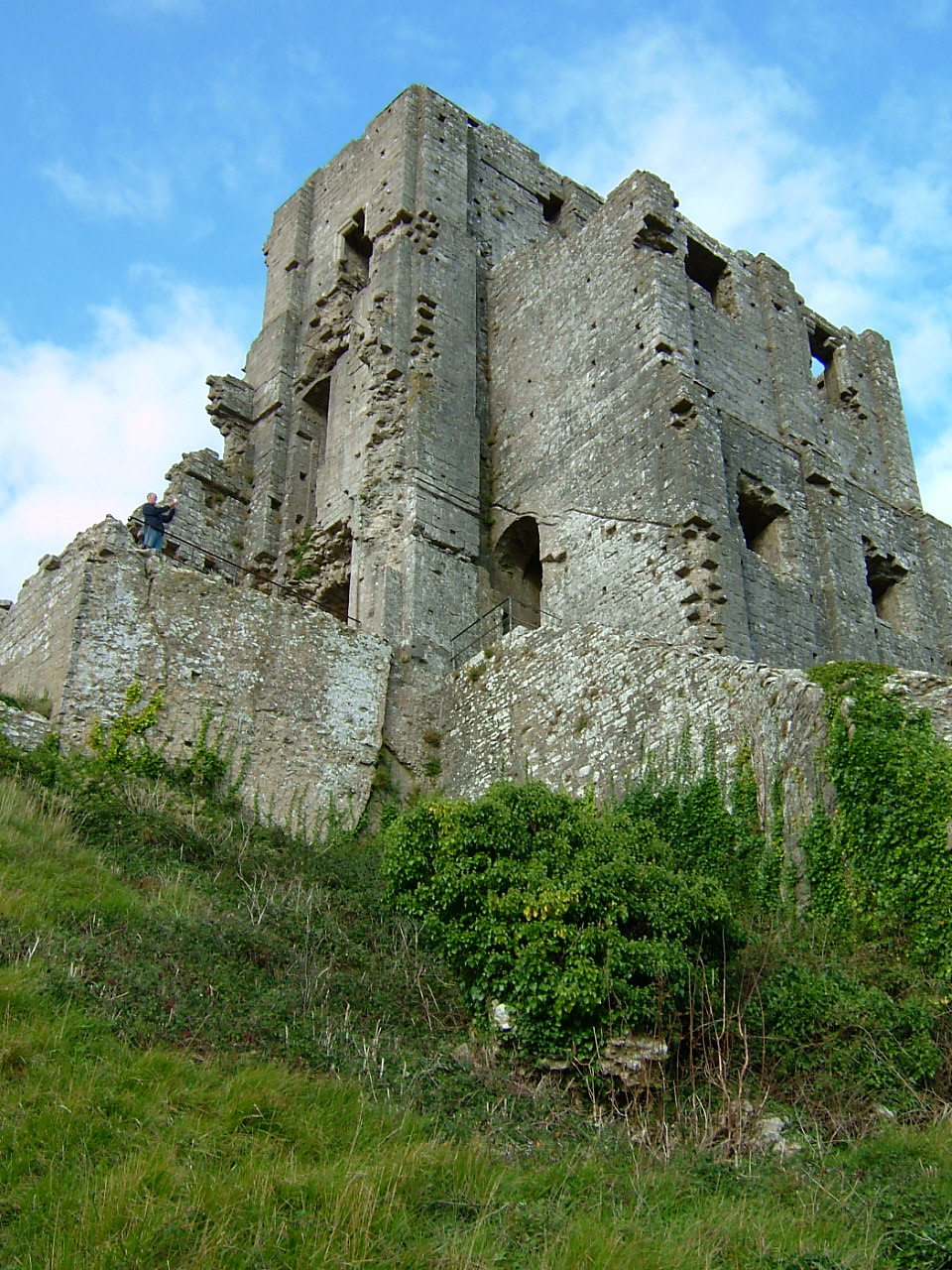
Edward was murdered near to, or on the mound, where Corfe Castle now stands although who murdered him remains unknown and was buried without any ceremony, however he was later reburied at Shaftsbury Abbey in 980, and then moved to a more prominent place in 1001.

Æthelred
Æthelred the Unread: Was no more than 13 when his half-brother died, and since that death occured most likely at his mother's behest, it was difficult to rally the nation against threat especially as the legend of St Edward the Martyr grew.

From 991 onwards, he paid tribute, or Danegeld (Danish Tax) to the Danish King. However, in 1002  ordered a massacre of Danish settlers (including the Danish King's sister) which prompted the King Sweyn, to invade England and in 1013 Æthelred fled to Normandy.


* Bretwalda is a title given to rulers of the Anglo-Saxon who have achieved overlordship of some or all of the other Anglo-Saxon Kingdoms.
+ Textus de Ecclesia Roffensi per Ernulphum episcopum ("The Book of the Church of Rochester through Bishop Ernulf"),

Joke of the Day

The worst pub I've been to was called 'The Fiddle'..................It really was a vile inn.